

Latest Blogs
Why Early Childhood Learning Is Important for Future Success
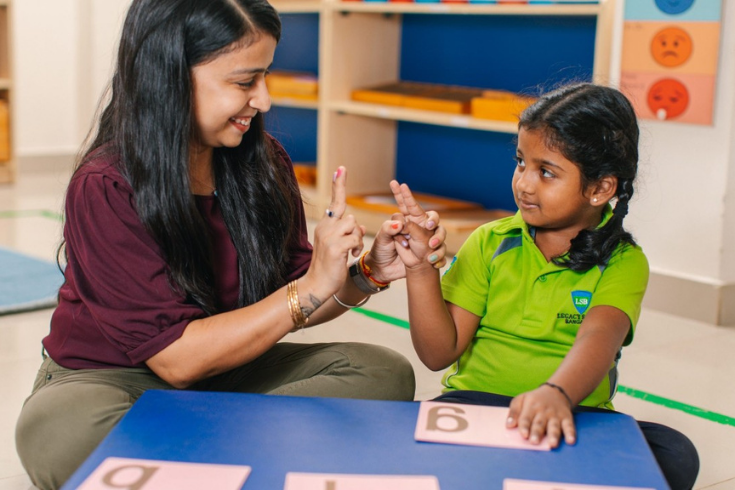
Why Early Childhood Learning Matters for Future Success
Introduction
The early years of a child’s life are among the most important stages of human development. During this period, children experience rapid physical, emotional, social, and cognitive growth that shapes their future learning abilities, personality, and overall success in life.
Modern education experts and child development specialists strongly emphasize the importance of early childhood learning because the foundation built during these formative years often influences lifelong academic performance, communication skills, confidence, and emotional well-being.
Children naturally learn through observation, interaction, play, creativity, and exploration. Early childhood education helps guide this learning process in a structured and supportive way. Whether through language activities, music, storytelling, art, social interaction, or problem-solving exercises, early learning experiences stimulate brain development and encourage positive growth.
Today, parents and educators understand that early childhood learning is not simply about preparing children academically. It is about helping them develop communication skills, confidence, creativity, emotional intelligence, and the ability to interact effectively with the world around them.
In this blog, we will explore why early childhood learning matters for future success, how it supports brain development, and why investing in early education creates lifelong benefits for children.
What Is Early Childhood Learning?
Early childhood learning refers to the educational and developmental experiences children receive during their early years, typically from birth to around eight years old.
Areas of Early Childhood Learning Include
- Language development
- Communication skills
- Emotional development
- Social interaction
- Creativity and imagination
- Cognitive growth
These experiences help children build essential life skills and learning foundations.
Why Early Childhood Learning Is Important
The human brain develops rapidly during early childhood.
Why Early Learning Matters
- Supports brain development
- Builds communication skills
- Encourages confidence
- Improves social interaction
- Develops problem-solving abilities
Children who receive positive early learning experiences often perform better academically and socially later in life.
How Early Childhood Learning Supports Brain Development
1. Rapid Brain Growth During Early Years
A child’s brain forms millions of neural connections during the first few years of life.
How Learning Strengthens Brain Development
- Stimulates cognitive activity
- Encourages curiosity
- Improves memory and attention
Positive learning experiences help strengthen neural pathways that support future learning abilities.
2. Encourages Cognitive Development
- Thinking
- Understanding
- Reasoning
- Problem-solving
Early childhood activities such as storytelling, puzzles, music, and creative play improve cognitive skills significantly.
3. Improves Memory and Attention
- Better memory retention
- Longer attention spans
- Improved observation skills
These skills become essential for future academic success.
The Importance of Communication Skills in Early Learning
1. Language Development
Children learn language rapidly during their early years.
How Early Learning Supports Language Skills
- Encourages vocabulary growth
- Improves pronunciation
- Enhances listening skills
Reading, singing, storytelling, and conversations all contribute to stronger communication abilities.
2. Builds Social Interaction Skills
- Express feelings
- Share ideas
- Interact with others
Social communication helps children build healthy relationships and emotional confidence.
3. Encourages Self-Expression
- Increased confidence
- Better emotional understanding
- Improved creativity
Children who can communicate effectively often develop stronger self-esteem and independence.
How Early Childhood Learning Builds Confidence
1. Encourages Independence
- Solving simple problems
- Participating in activities
- Making small decisions
Early learning encourages children to trust their abilities and think independently.
2. Creates Positive Learning Experiences
- Safe
- Encouraged
- Motivated
Positive experiences during early childhood shape attitudes toward learning for the future.
3. Builds Emotional Confidence
- Better emotional control
- Increased self-belief
- Improved social confidence
Emotionally confident children often adapt better to new environments and challenges.
The Role of Creativity in Early Childhood Learning
- Art and drawing
- Music and dance
- Storytelling
- Role play
Creativity supports imagination, innovation, and emotional expression.
How Play-Based Learning Supports Development
- Encourages exploration
- Improves social interaction
- Develops motor skills
- Enhances creativity
Interactive learning environments help children learn more effectively through enjoyable experiences.
The Importance of Social Development
- Sharing
- Cooperation
- Teamwork
- Empathy
Positive social experiences help children build healthy relationships and emotional intelligence.
How Early Learning Supports Academic Success
- Better reading skills
- Improved concentration
- Stronger problem-solving abilities
- Greater classroom confidence
The Connection Between Emotional Well-Being and Learning
- Reduces anxiety
- Encourages participation
- Improves focus
Supportive learning environments help children feel comfortable exploring and learning.
The Role of Parents in Early Childhood Learning
- Reading with children
- Encouraging curiosity
- Providing creative activities
- Engaging in conversations
Benefits of Structured Early Education Programs
- Guided developmental activities
- Social interaction opportunities
- Structured learning environments
Modern Approaches to Early Childhood Learning
- Child-centered learning
- Creativity-based education
- Emotional development
- Interactive activities
How Music and Art Support Early Learning
- Improved memory
- Better coordination
- Enhanced creativity
- Emotional expression
The Long-Term Benefits of Early Childhood Learning
- Better academic performance
- Stronger communication skills
- Increased confidence
- Improved emotional intelligence
Tips for Supporting Early Childhood Learning
1. Encourage Curiosity
Allow children to ask questions and explore new ideas.
2. Create Positive Learning Environments
Children learn best in supportive and encouraging spaces.
3. Focus on Play and Creativity
Interactive activities help children learn naturally and effectively.
4. Build Strong Communication
Regular conversations improve language development and confidence.
5. Support Emotional Development
Encourage emotional expression and positive social interaction.
Common Mistakes to Avoid
1. Pressuring Children Excessively
Learning should remain enjoyable and stress-free.
2. Ignoring Emotional Development
Emotional growth is equally important as academic learning.
3. Limiting Creative Activities
Creativity supports cognitive and emotional development.
4. Comparing Children
Every child develops at their own pace.
The Future of Early Childhood Education
- Interactive digital learning
- Creativity-based teaching
- Emotional intelligence development
- Personalized learning approaches
Why Early Learning Is an Investment in the Future
- Personality
- Learning habits
- Social behavior
- Emotional resilience
Investing in early education helps children build strong foundations for lifelong success.
Conclusion
Early childhood learning plays a vital role in shaping a child’s future success by supporting brain development, communication skills, emotional confidence, creativity, and social interaction. The experiences children receive during their early years significantly influence how they learn, think, communicate, and interact throughout life.
By encouraging curiosity, creativity, emotional growth, and positive learning experiences, parents and educators can help children develop into confident, capable, and emotionally balanced individuals. Early childhood education is not just preparation for school — it is the foundation for lifelong learning, personal growth, and future success.
Ready to begin your learning journey?
📍 Address: 803, Shubh Aaugusta Society, Dholepatil Farms Road,
Tulaja Bhawani Nagar, Kharadi, Pune - 411014
📞 Phone: +91 74995 78804
📧 Email: divinedaivikdiksha@gmail.com
Recent Blogs
Life Lessons from Bhagavad Gita for Students
Read Full Blog
Carnatic Vocal Training Guide for Beginners
Read Full Blog
Benefits of Learning Multiple Languages for Students
Read Full Blog
How Public Speaking Classes Improve Confidence
Read Full Blog
Carnatic Flute Classes Online – Flute vs Violin for Beginners
Read Full Blog
Learn Bhagavad Gita Online – Life Lessons for Kids & Adults
Read Full Blog
Online Shloka Classes – Spiritual Growth for Kids & Adults
Read Full Blog
Online Carnatic Vocal Classes – Learn Classical Singing from Home
Read Full Blog
How-to-Learn-Shlokas?
Read Full Blog
Why Learning Violin Is a Great Choice?
Read Full Blog
How long does it take to learn Carnatic music?
Read Full Blog
How to Practice Bharatanatyam
Read Full Blog
Benefits of Joining Online Carnatic Vocal Classes for Kids and Adults
Read Full Blog
How to Choose the Best Online Carnatic Vocal Classes?
Read Full Blog
Top 6 Instruments to Learn in Carnatic Music
Read Full Blog