

Latest Blogs
Why Learning Arts & Music Improves Academic Performance
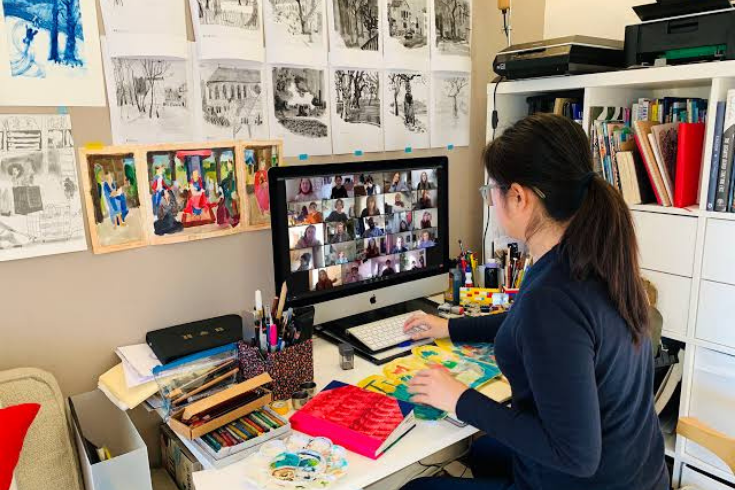
Why Learning Arts & Music Improves Academic Performance
In today's highly competitive academic environment, parents and educators are constantly searching for ways to help children perform better in school while also supporting their emotional well-being. One of the most effective yet often underestimated tools is arts and music education.
Learning music and arts is not just about creativity or entertainment. Research and real-world experiences consistently show that students involved in music and artistic activities often perform better academically, develop stronger focus, and build essential life skills.
From improving memory retention to enhancing emotional intelligence, arts and music education plays a major role in shaping well-rounded, confident, and successful learners.
The Increasing Importance of Arts and Music Education
Modern education is evolving beyond textbooks and examinations. Schools and parents are increasingly recognizing the value of creative subjects in overall development.
Arts and music education encourages students to think differently, solve problems creatively, and express themselves confidently. These skills directly support academic achievement and personal growth.
- Improved concentration
- Better memory and retention
- Increased creativity
- Stronger emotional intelligence
- Enhanced communication skills
- Reduced stress and anxiety
How Music Improves Memory and Brain Development
Learning music involves listening, reading, memorizing, and coordinating physical movements simultaneously. This activates multiple regions of the brain and strengthens neural connections.
1. Enhances Memory Retention
Students learning music often develop better memory skills because music requires repetition, recall, and pattern recognition.
- Improved long-term memory
- Faster information processing
- Better retention of academic concepts
- Enhanced vocabulary and language learning
2. Strengthens Concentration and Focus
Music training helps children focus on rhythm, timing, pitch, and technique. This level of concentration supports focus in other academic subjects as well.
- Better classroom attention
- Improved listening skills
- Reduced distractions
- Greater discipline during study sessions
Arts and Music Encourage Creativity
Creativity is one of the most valuable skills in modern education and future careers. Arts and music education nurtures imagination and encourages innovative thinking.
1. Develops Problem-Solving Skills
When students learn music or visual arts, they constantly experiment, adapt, and solve creative challenges.
- Musicians improve techniques through regular practice
- Artists explore different ways to express ideas
- Students develop flexibility in thinking
2. Encourages Independent Thinking
Arts and music inspire learners to think independently and express unique ideas with confidence.
- Sharing opinions
- Exploring new perspectives
- Making creative decisions
- Expressing emotions positively
Emotional Development Through Arts and Music Education
Academic achievement alone is not enough for overall success. Emotional well-being plays a major role in a student's ability to learn and grow.
1. Reduces Stress and Anxiety
Music and artistic activities help students relax, reduce stress, and improve emotional balance.
- Improved emotional balance
- Reduced anxiety
- Better mood and positivity
- Increased mental relaxation
2. Builds Confidence and Self-Esteem
Performing music or showcasing artwork gives students a sense of achievement. As students improve their creative abilities, they develop stronger confidence and motivation.
- Greater self-confidence
- Better communication skills
- Increased social comfort
- Stronger motivation to succeed
The Connection Between Music and Academic Subjects
1. Music and Mathematics
Music helps students understand mathematical concepts through rhythm, counting, timing, and patterns.
- Numerical understanding
- Pattern recognition
- Logical thinking
- Sequencing skills
2. Music and Language Skills
Music education enhances language development because students learn pronunciation, listening, and memory through songs and lyrics.
- Improved vocabulary
- Better reading comprehension
- Enhanced pronunciation
- Stronger communication abilities
How Arts Education Supports Academic Excellence
1. Improves Observation Skills
Drawing, painting, and design activities teach students to observe details carefully, improving attention and visual memory.
- Attention to detail
- Analytical thinking
- Visual memory
- Creative interpretation
2. Encourages Patience and Discipline
Creating art requires focus, patience, and consistent practice. These habits often reflect positively in academic routines.
- Time management
- Goal setting
- Persistence
- Dedication to improvement
Benefits of Arts and Music Education for Adults
Arts and music are not only beneficial for children. Adults can also improve mental sharpness and emotional wellness through creative learning.
- Reduced stress levels
- Better concentration
- Enhanced creativity
- Improved emotional expression
- Lifelong learning satisfaction
Tips for Parents to Encourage Arts and Music Learning
Create a Positive Learning Environment
Encourage children to explore music and arts without pressure or comparison.
Support Regular Practice
Consistency is more important than perfection. Daily creative practice helps students improve steadily.
Celebrate Small Achievements
Recognizing progress builds confidence and motivation.
Choose the Right Teacher
A supportive and experienced teacher can make learning enjoyable and inspiring.
Why Carnatic Music Is Excellent for Brain Development
Carnatic music is one of India's most respected classical traditions and offers tremendous educational benefits.
- Strong concentration
- Vocal discipline
- Memory retention
- Emotional calmness
- Cultural awareness
Its structured patterns and rhythmic complexity stimulate the brain while promoting spiritual and emotional growth.
Conclusion
The impact of arts and music education extends far beyond creativity and entertainment. It strengthens memory, improves concentration, supports emotional development, and enhances academic performance in meaningful ways.
Students who participate in music and arts often become more confident, disciplined, creative, and emotionally balanced learners. Whether through singing, instrumental music, painting, or dance, creative education builds skills that support lifelong success.
Investing in creative learning today can shape a brighter and more successful future tomorrow.
Ready to begin your Carnatic music journey?
📍 Address: 803, Shubh Aaugusta Society, Dholepatil Farms Road,
Tulaja Bhawani Nagar, Kharadi, Pune - 411014
📞 Phone: +91 74995 78804
📧 Email: divinedaivikdiksha@gmail.com
Recent Blogs
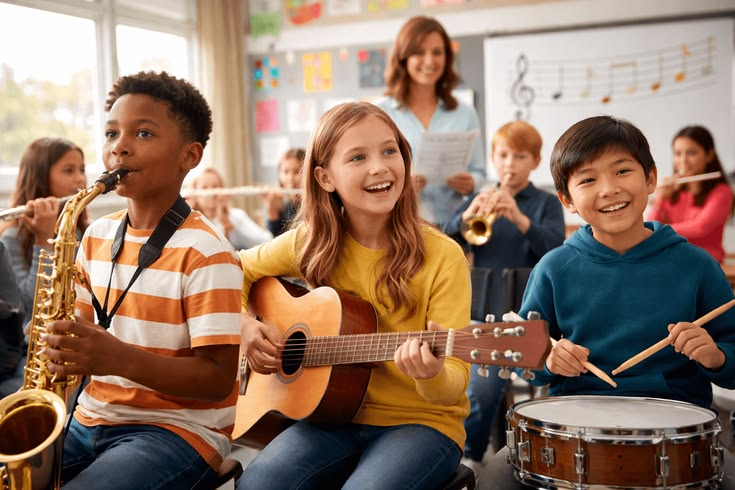
Life Lessons from Bhagavad Gita for Students
Read Full Blog
Carnatic Vocal Training Guide for Beginners
Read Full Blog
Benefits of Learning Multiple Languages for Students
Read Full Blog
How Public Speaking Classes Improve Confidence
Read Full Blog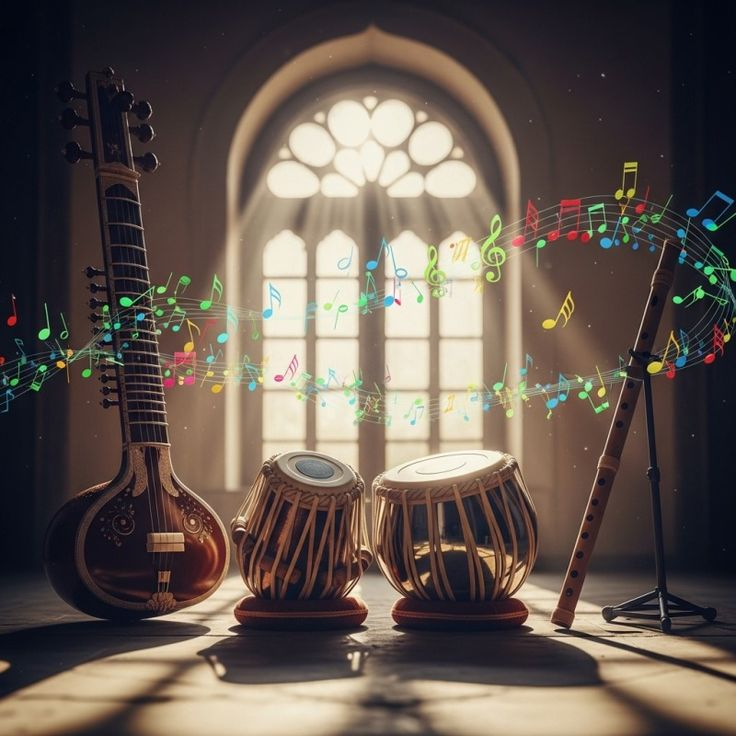
Carnatic Flute Classes Online – Flute vs Violin for Beginners
Read Full Blog
Learn Bhagavad Gita Online – Life Lessons for Kids & Adults
Read Full Blog
Online Shloka Classes – Spiritual Growth for Kids & Adults
Read Full Blog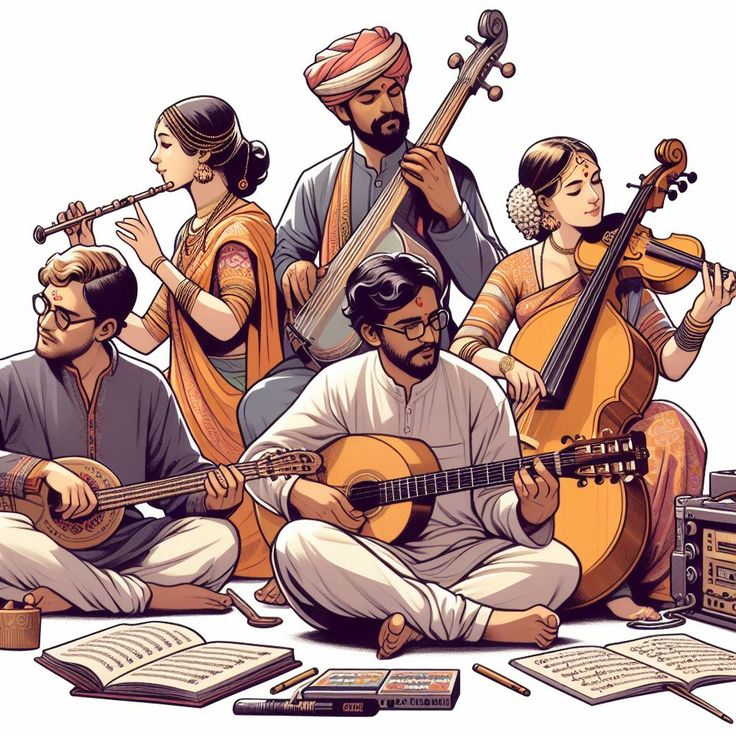
Online Carnatic Vocal Classes – Learn Classical Singing from Home
Read Full Blog
How-to-Learn-Shlokas?
Read Full Blog
Why Learning Violin Is a Great Choice?
Read Full Blog
How long does it take to learn Carnatic music?
Read Full Blog
How to Practice Bharatanatyam
Read Full Blog
Benefits of Joining Online Carnatic Vocal Classes for Kids and Adults
Read Full Blog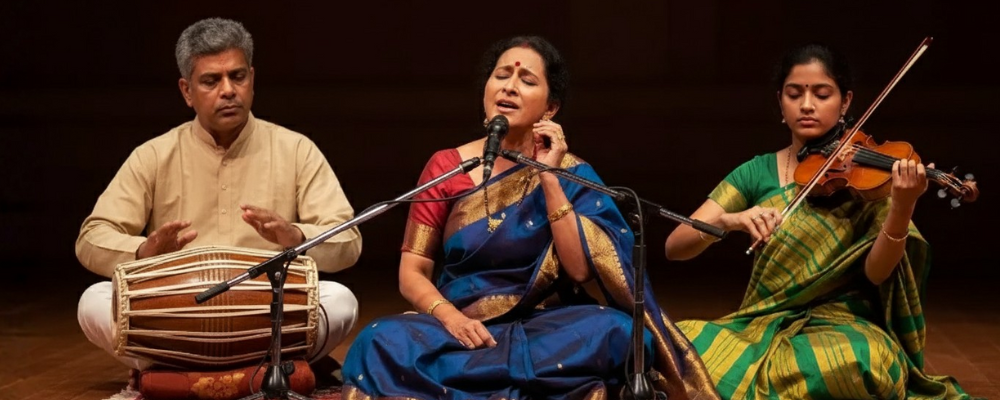
How to Choose the Best Online Carnatic Vocal Classes?
Read Full Blog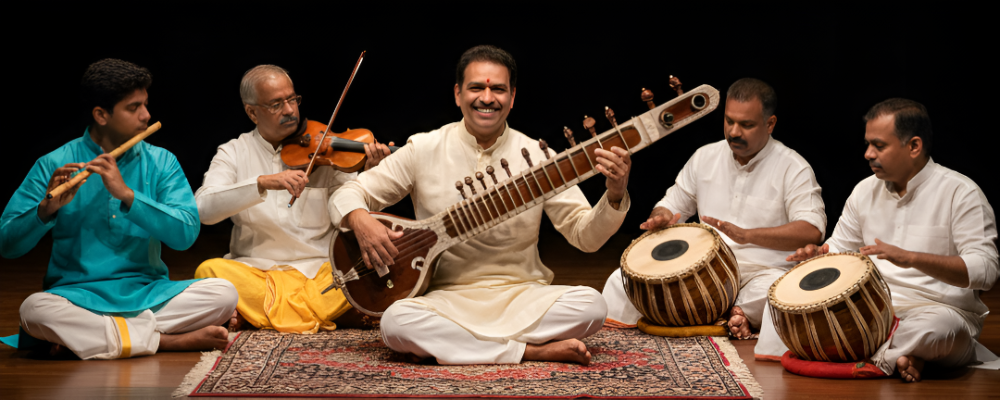
Top 6 Instruments to Learn in Carnatic Music
Read Full Blog